
The Cape Verde Islands
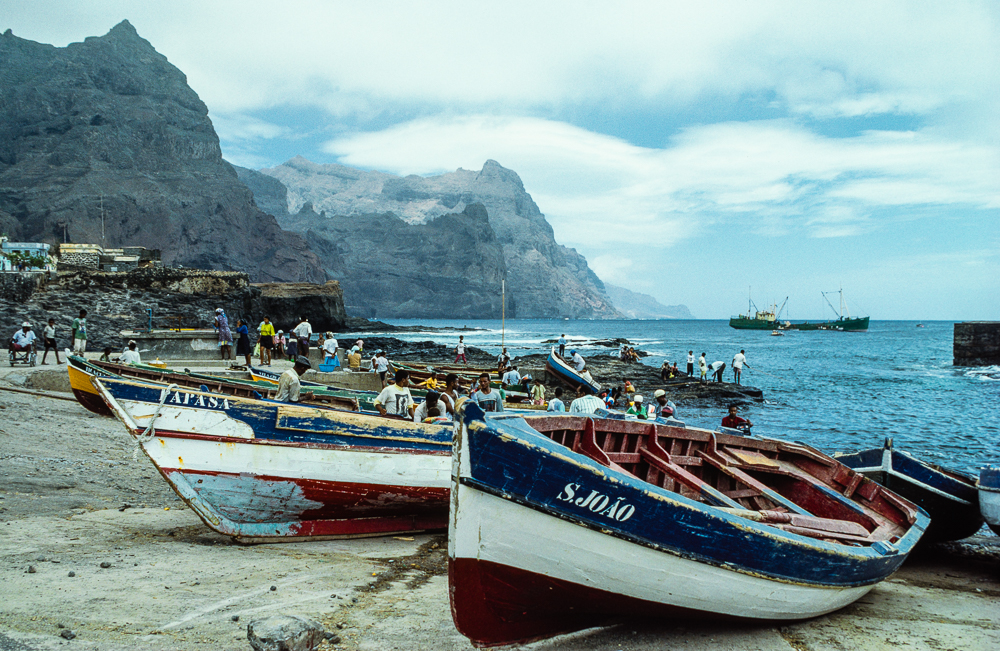
Exploited and forgotten, the Cape Verde Islands lie at the crossroads of South America, Africa, and Europe. Scorched earth and fertile valleys, deserts, mountains, and volcanoes, all exposed to the ever-present trade winds, form a harsh environment in which to live. A young generation is coming to terms with the legacy of Portuguese colonial rule, the slave trade, and socialist ideology while forging a new identity of its own. These are just some of the elements that give the Cape Verde Islands their distinctive appeal, situated some 500 kilometers west of Africa and surrounded by the vast expanse of the Atlantic Ocean.
Since the 15th century, European seafarers have established new connections between Cape Verde and the wider world, offering many people an escape from desperate circumstances. The arrival of Portuguese explorers on the islands, which were probably uninhabited at the time, in 1456 marked the beginning of profound changes and a turbulent history. It is another example of colonial attitudes and practices, closely intertwined with the fate of Africa and South America. Explorers were soon followed by colonial rulers, Christian missionaries, slave traders, merchants, settlers, and pirates. All left their mark on the archipelago and shaped the lives of its inhabitants, whose history remains relatively little known in Europe.
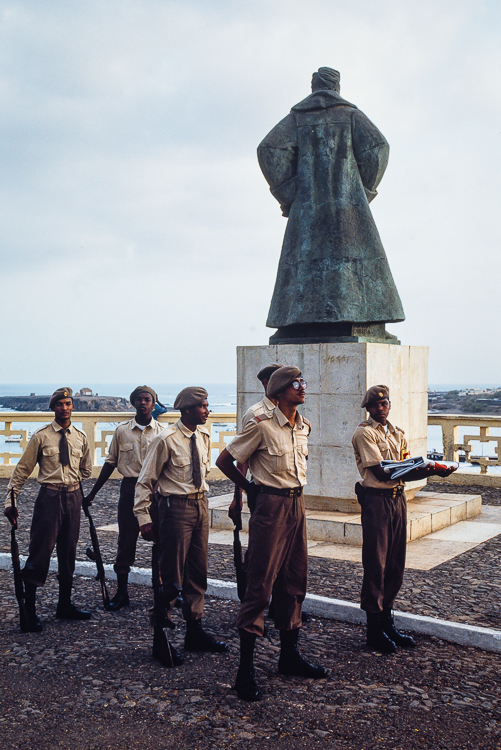
Cape Verde was long considered one of the world’s poorest countries and the westernmost extension of the Sahel, a region marked by drought, hunger, and hardship. Located between the 15th and 17th parallels north, in the transition zone between subtropical and tropical climates, the islands experience predominantly clear skies and stable high-pressure weather throughout much of the year. Only when the Intertropical Convergence Zone moves sufficiently far north do moist air masses carried by equatorial westerly winds bring rainfall between June and November. Otherwise, the powerful northeast trade winds remain a constant presence in everyday life.
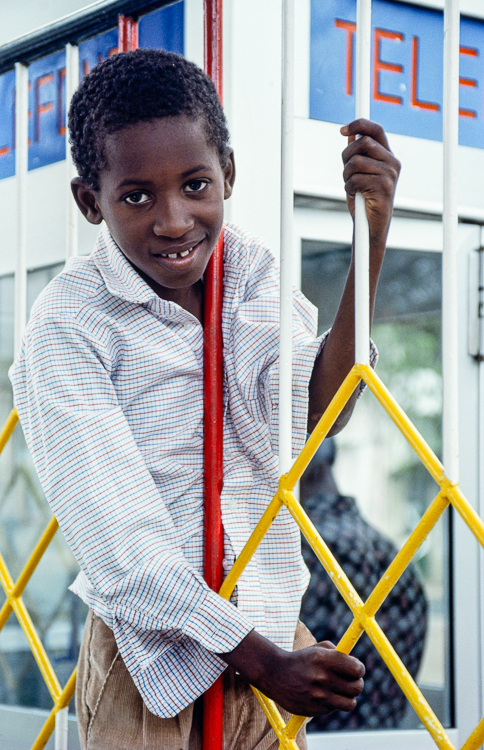
At the time of my journey, approximately 350,000 Cape Verdeans lived in this tiny island nation, while more than twice as many lived abroad. Many earned their living as sailors aboard cargo ships around the world, while others had found new homes, particularly in North America. Their remittances, often substantial contributions to families back home, represented an important pillar of the economy. Politically, Cape Verde played only a minor role on the international stage.
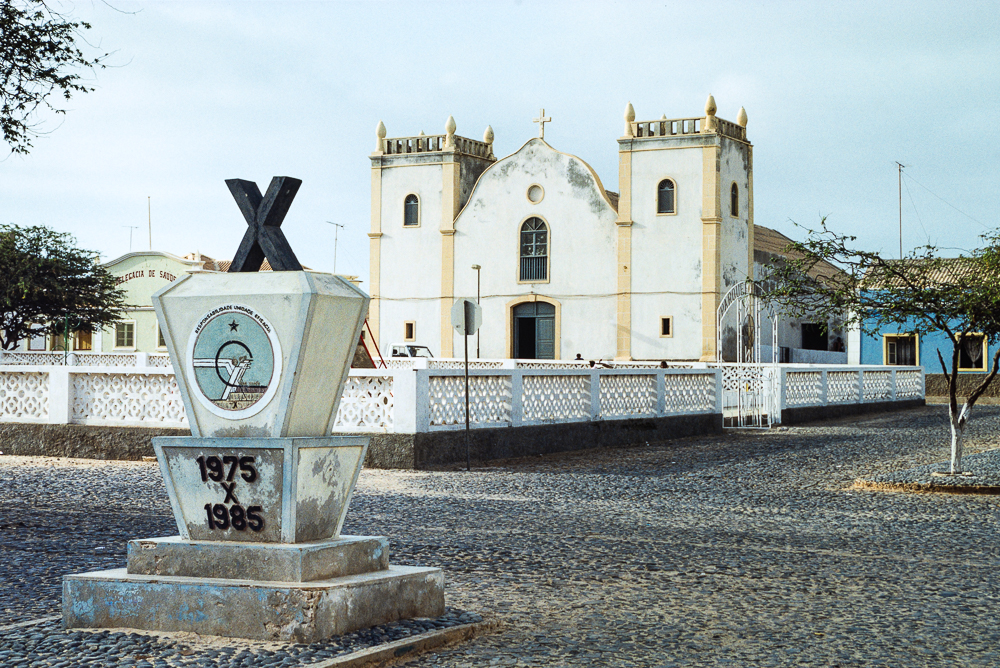
Historically, however, the islands held considerable strategic importance for the European maritime and colonial powers of Britain, Spain, and Portugal. Halfway between colonial possessions in South America and southern Africa, Cape Verde’s harbors became important hubs along busy shipping routes. The resulting encounters between cultures gave rise to a unique society.
The population developed through the intermingling of enslaved Africans, some forced to work on the islands and others transported onward to plantations in the Caribbean and Brazil, with European settlers and colonial rulers. At the time, much of the population was of mixed African and European ancestry. I was struck by the remarkable diversity of appearances, including dark-skinned people with blond hair and blue eyes. African cultural influences remain deeply rooted in Cape Verdean life, particularly in its lively social traditions, expressive temperament, and deeply emotional music.
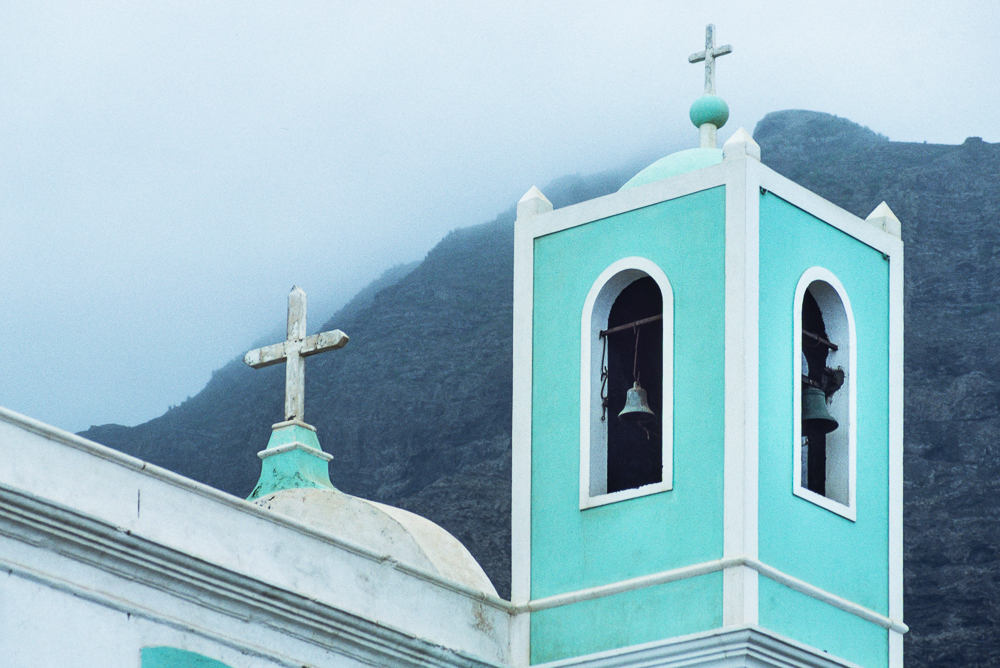
The colonial era also left unmistakable traces: buildings in characteristic architectural styles, administrative structures, Portuguese as the official language, and Christianity. While many physical remnants of colonial rule have fallen into disrepair, Cape Verdeans had begun to forge a distinctive national identity during the first twenty years of independence.
The geological history of Cape Verde reaches back to the Cenozoic Era, particularly the Tertiary Period, when the tectonic plates carrying present-day Africa and South America continued to move apart. Volcanic activity accompanied these geological processes, with enormous eruptions gradually building volcanic peaks from the depths of the ocean until they emerged above the surface as islands. From that moment onward, the islands were exposed to the relentless forces of erosion, counteracting their volcanic growth.

On the eastern islands, volcanic growth ceased relatively early. Over immense periods of time, wind, rain, and temperature fluctuations wore down the ancient volcanic mountains until little remained of their original height. The highest elevations, formed from more resistant volcanic rock, rise only a few hundred meters above the surrounding plains. Vast deserts of sand, gravel, and rocky debris are largely the result of these erosion processes.
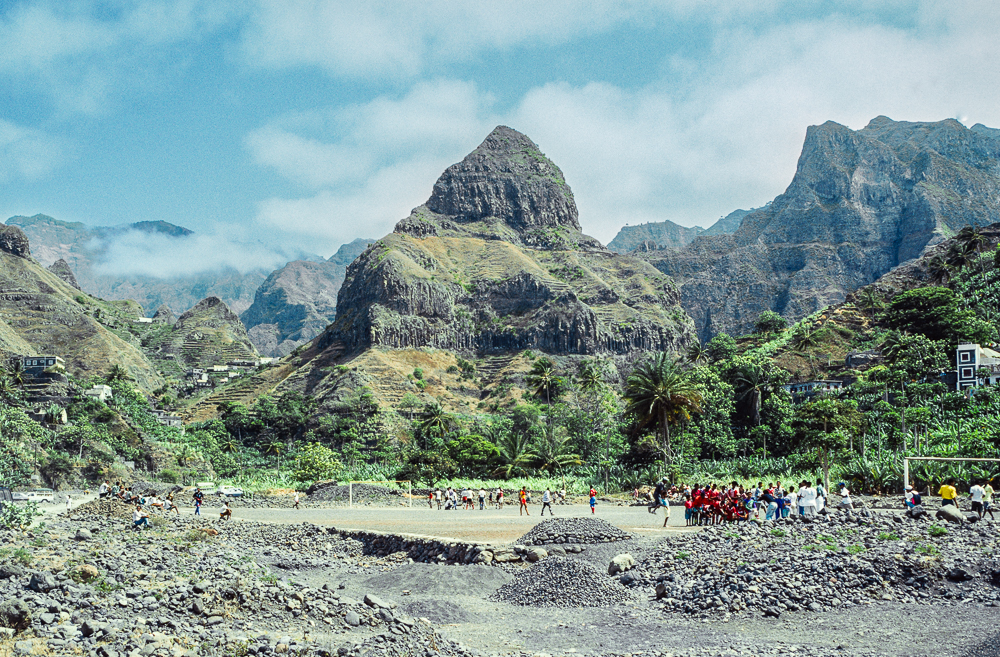
Additional quantities of sand originated in the Sahara, carried across the Atlantic by dust storms and trade winds. In the western islands, volcanic activity continued for much longer, allowing the mountains to grow to greater heights.
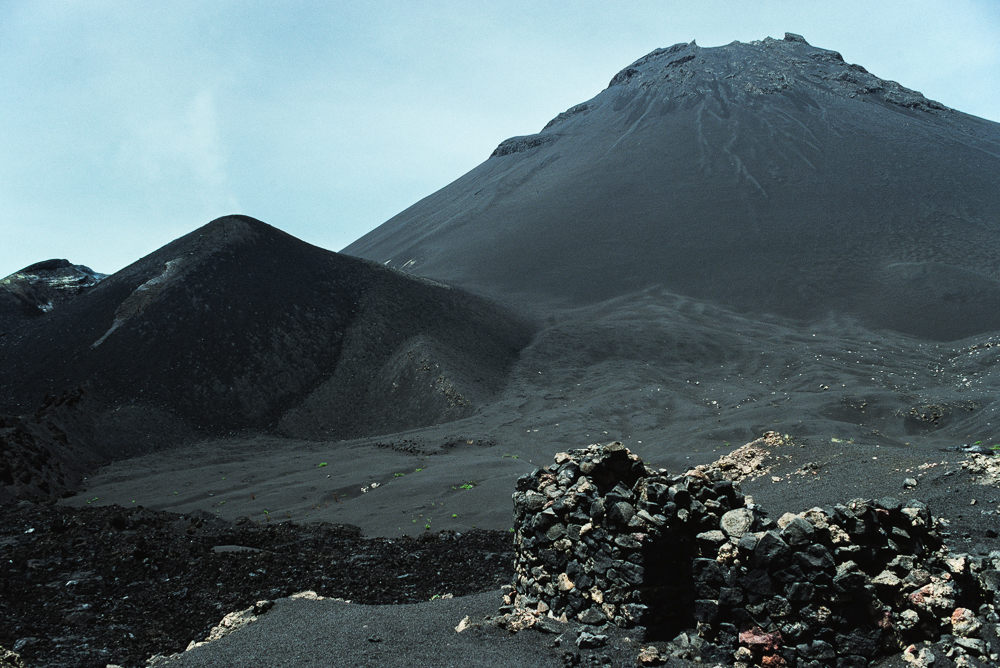
The eruption of the volcano on Fogo in April 1995 demonstrated that the volcanic development of the archipelago was far from complete. At 2,829 meters, this imposing stratovolcano is Cape Verde’s highest mountain. Alongside Mount Teide in the Canary Islands, Pico do Fogo ranks among the most prominent volcanic peaks of the Atlantic islands.
Today, ash cones, solidified lava flows, almost perfectly circular craters, and black sandy beaches fascinate geologists and travelers alike. They reveal successive phases of volcanic formation and offer a vivid impression of the unimaginable forces at work deep within the Earth.
Of the 15 islands and islets that make up the Cape Verde archipelago, nine are permanently inhabited. Some smaller islands are visited only occasionally by fishermen who spend the night there.
The capital of the Republic of Cabo Verde is Praia, on Santiago, which has traditionally competed in several respects with the country’s other major city, Mindelo, on São Vicente. While Praia serves as the political center, Mindelo’s important Atlantic harbor has made it a major commercial hub.
At the time of my visit, the country’s only international airport was located near neither of these cities, but on Sal in the eastern part of the archipelago. This division of political, commercial, and aviation functions reflected the geographical characteristics of the islands, particularly the availability of sheltered harbors and sufficiently large, level areas for airfields. The flat, dry eastern islands were better suited to airport development than the mountainous islands of the northwest.
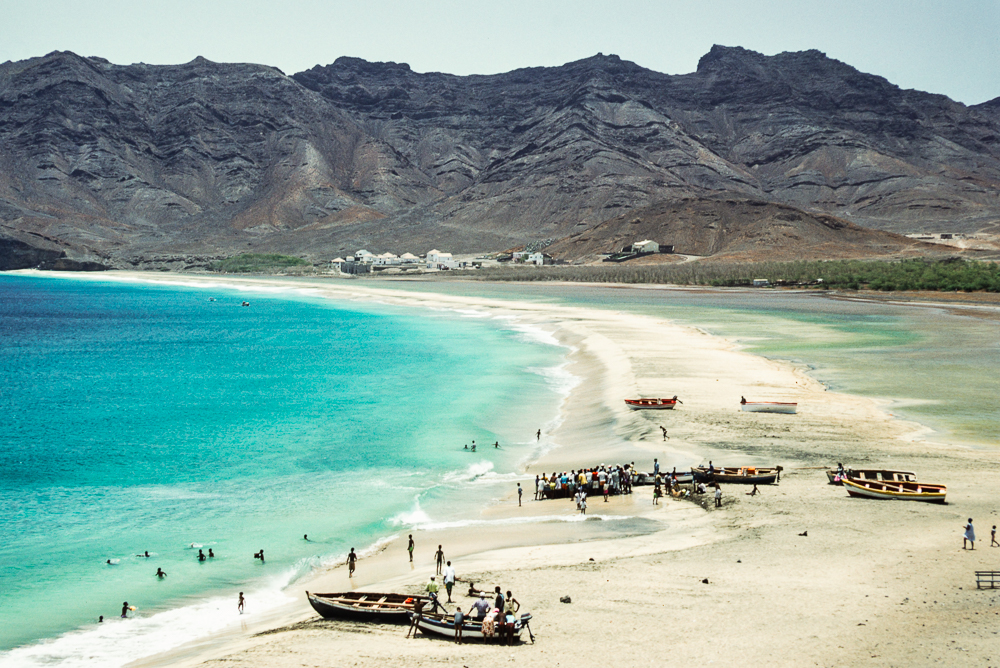
The southern islands also bear unmistakable evidence of their volcanic origins, most notably the active volcano on Fogo. Their steep coastlines offer relatively few sheltered bays suitable for shipping.
The dry, sparsely vegetated landscapes give way to fertile areas only where the soil retains scarce moisture or where high mountains, particularly in the northwest and south, force clouds to rise and release their rainfall. This also explains the profound importance of the trade winds, which shape life throughout the archipelago and have even given their names to its two main island groups.
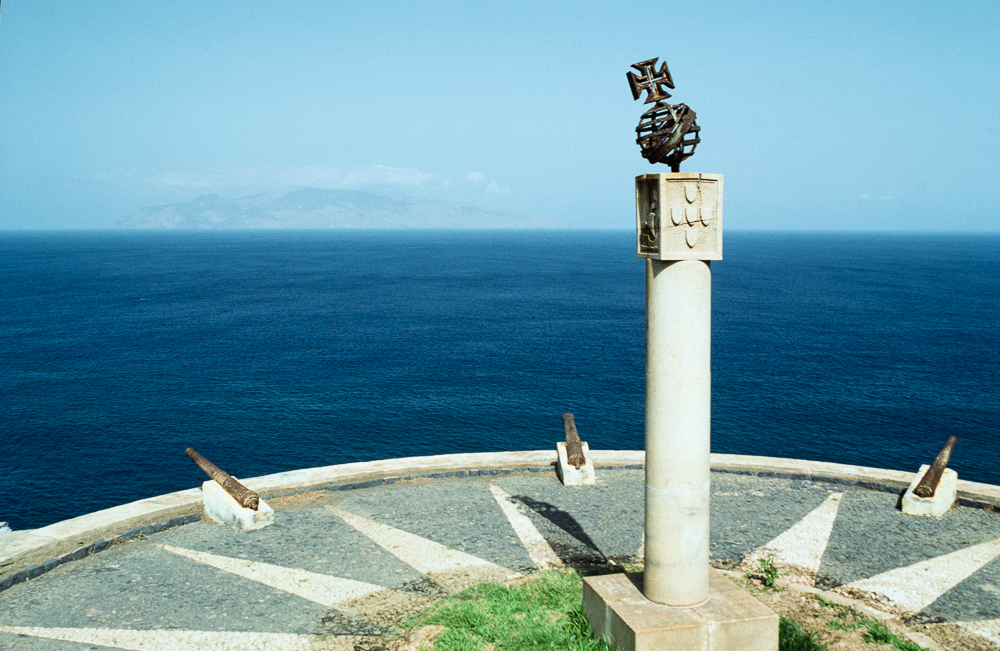
To the north lie the Barlavento Islands, the windward group, while the Sotavento Islands to the south form the leeward group. At the time, the next administrative level consisted of 15 districts, although plans were being discussed to replace these with larger regional associations spanning several islands.
The national airline TACV provided the most important and fastest connections between the islands, with Praia, Mindelo, and Sal serving as the principal transport hubs.
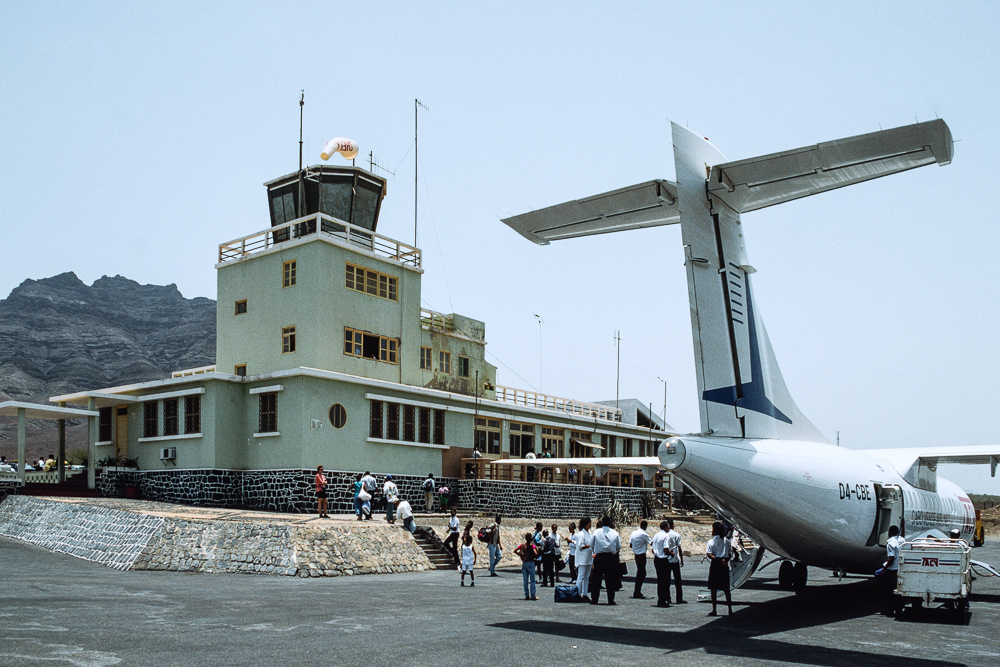
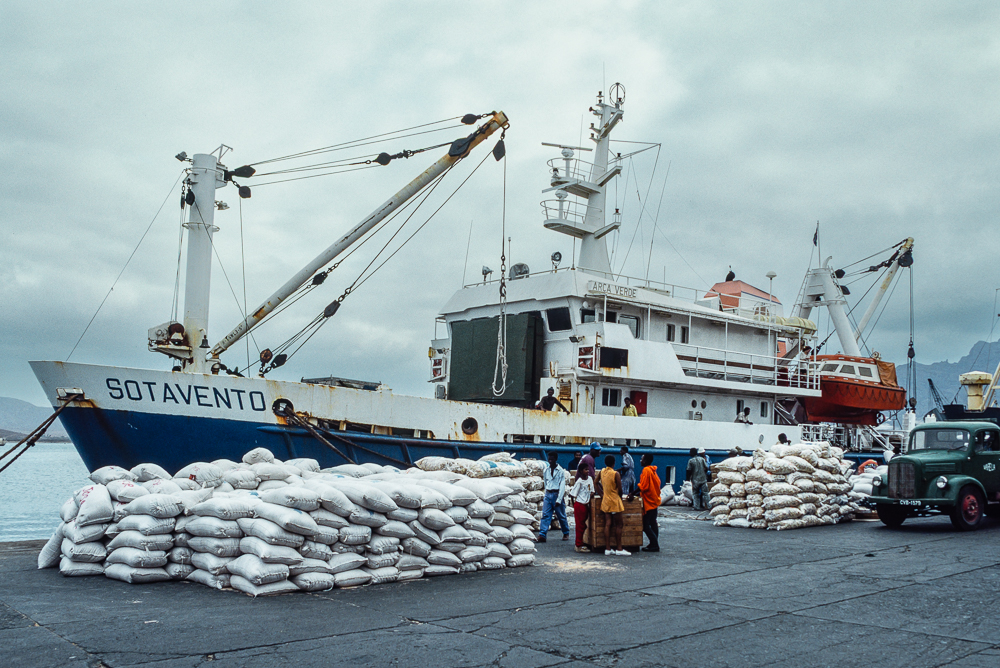
A more affordable alternative was traveling by sea, although at the time only the ferry connection between São Vicente and Santo Antão operated reliably. Sailings between the southern islands, as well as the extensive circuit served by the sister ships Sotavento and Barlavento, were announced by the shipping company Arca Verde just one week in advance and frequently changed again at short notice.
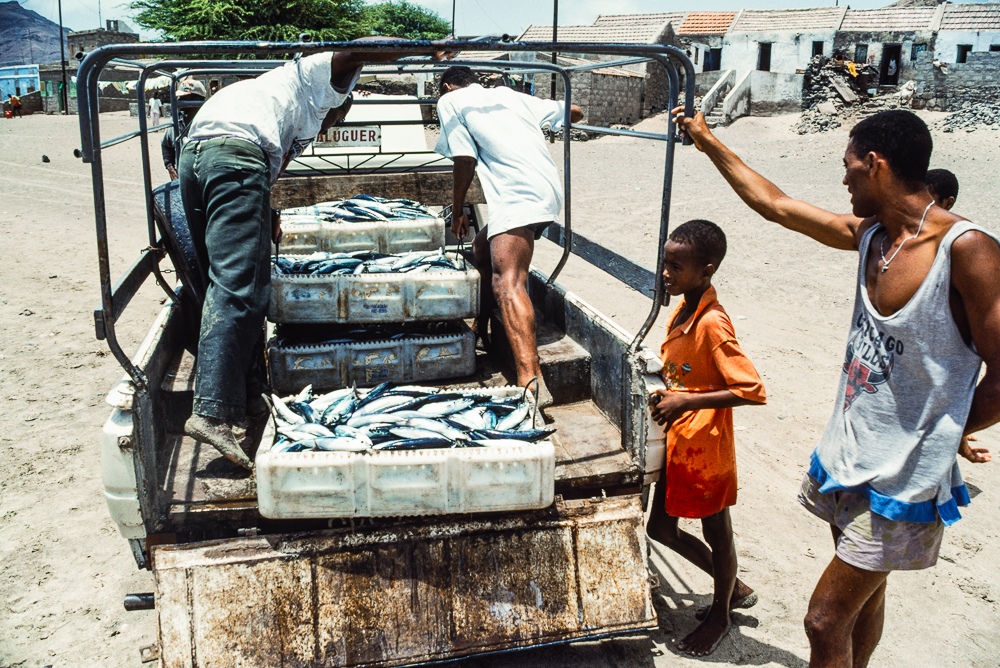
On the islands themselves, public transportation was largely privately operated, apart from a handful of bus routes in Praia and Mindelo. Alongside conventional taxis, usually painted black and green, there were the ubiquitous aluguers.
These minibuses, pickup trucks, and lorries carried both passengers and freight, serving as shared taxis and providing an adventurous yet inexpensive way to travel. Most villages could be reached by cobblestone roads, painstakingly constructed by hand and often following astonishingly daring routes through the mountains. Traveling by aluguer made it possible to explore almost every corner of the islands.
Colonial domination, pirate raids, famine, poverty, and the slave trade shaped a society whose beginnings were marked by profound violations of human dignity. These experiences left deep wounds in Cape Verde’s collective memory.
Following the islands’ discovery and incorporation into the Portuguese kingdom, the early population consisted of people from widely differing nationalities, social backgrounds, and beliefs. Poor farmers, political refugees, European merchants, and criminals settled on these challenging islands and struggled to make a living.
Before long, however, enslaved Africans outnumbered the free settlers. In the port towns, human beings were bought and sold like livestock. Sexual exploitation and relationships between European men and African women led to generations of mixed ancestry. Further migration from West Africa, Portugal, and Jewish communities in North Africa contributed to the remarkable diversity of the population.
One particularly striking feature was the large number of young people. At the time, almost half the population was under the age of fifteen. Cape Verde was a country full of children, who seemed to appear everywhere, curious about visitors, watching them closely or asking to have their photographs taken as soon as they spotted a camera. They had evidently learned that almost every traveler carried one. Occasionally, children would also ask for a little money.
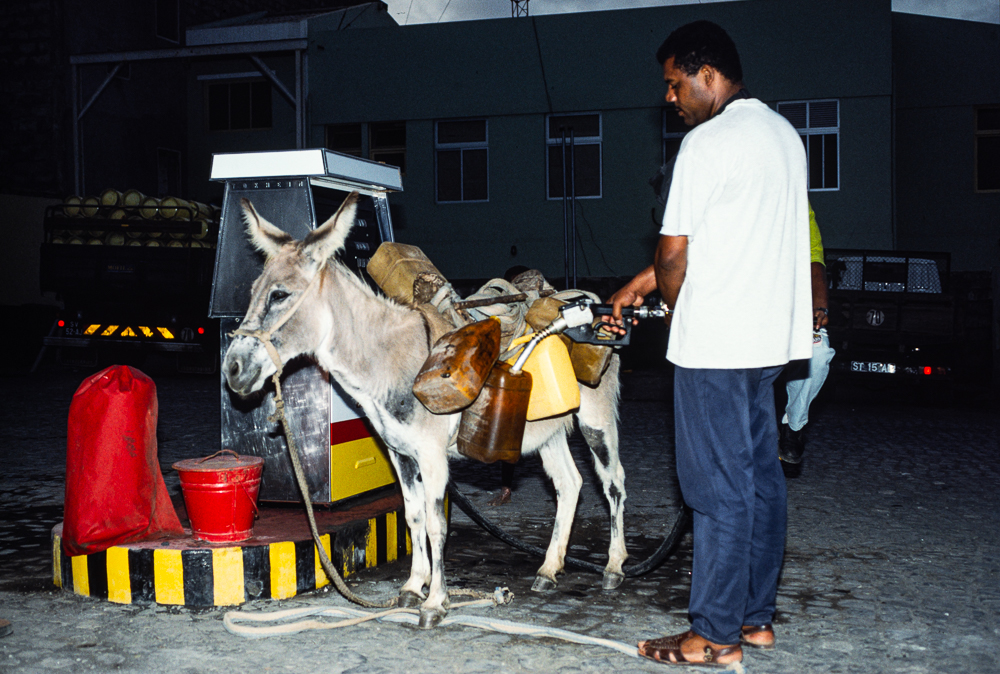
Alongside rapid population growth and the prospect of increasing unemployment, the authorities faced the challenge of uncontrolled migration from rural areas into the cities. New neighborhoods of unauthorized buildings were emerging without electricity, running water, or sanitation.
The lack of adequate sanitary facilities created serious hygiene and public health problems, as well as environmental pollution. Educational campaigns promoting basic healthcare and hygiene were intended to improve the situation.
Education was another major priority. Numerous government programs sought to reduce illiteracy, while schools worked with very limited resources to offer the younger generation better prospects through learning.
Even primary school pupils studied foreign languages in preparation for possible higher education abroad, since Cape Verde had no university at the time. Portuguese was the official language, but everyday communication took place primarily in Crioulo, a creole language rooted in Portuguese and West African languages. At the time, it lacked a universally established written standard.

The country depended heavily on international assistance in virtually every sector. Cape Verdeans living abroad played a vital economic role, as their regular remittances provided families with financial support and brought much-needed foreign currency into the country.
The national currency was the Cape Verdean escudo, whose exchange rate was regulated by the government. Emigrants also sent considerable quantities of consumer goods as gifts to relatives back home.
Additional support came through international food aid, which at the time was reported to cover approximately 85 percent of the population’s needs.
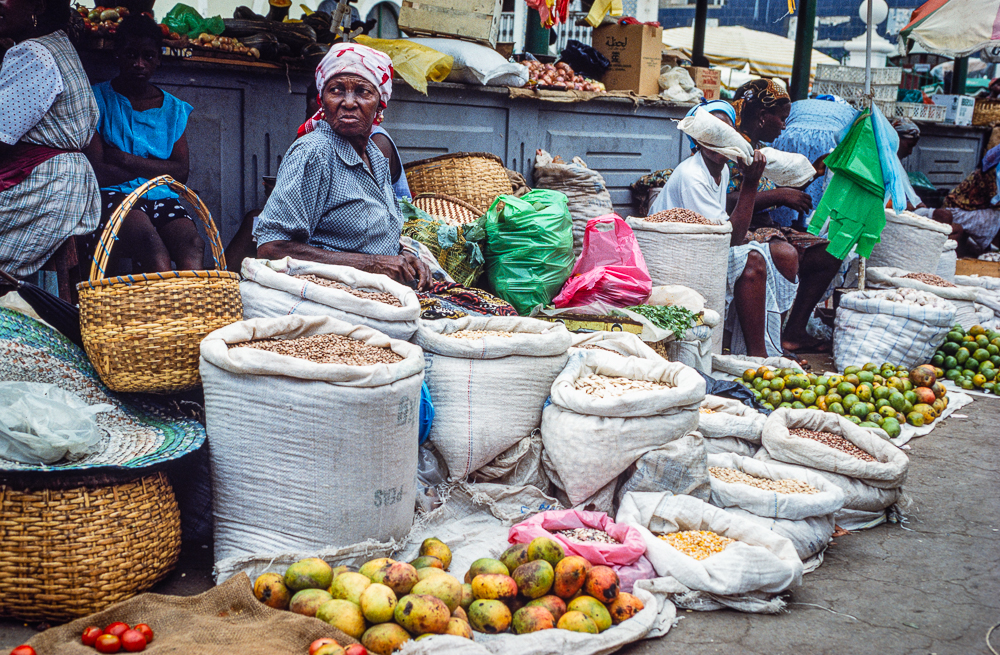
Grain, beans, maize, and other staple foods were supplied by governmental and nongovernmental organizations. The United States, the United Nations, and numerous individual countries also provided technical development assistance.
The Catholic Church maintained a strong presence, with approximately 95 percent of the population identifying as Catholic at the time. Almost every settlement had at least a small chapel or church, and even a cathedral had been built during the early colonial period.
Its ruins bear witness to darker chapters of Church history, although this did nothing to diminish the sincerity of the faith practiced by local communities.
Returning emigrants from English-speaking countries introduced other Christian denominations, resulting in small Nazarene and Baptist congregations.
On July 5, 1995, joyful crowds filled the streets of the capital and other towns to celebrate the twentieth anniversary of Cape Verde’s independence.
The path to freedom, democratic elections, and a national constitution had opened following the fall of Portugal’s authoritarian regime in 1974, which had continued to govern Cape Verde as a colonial possession.
Before independence, resistance to Portuguese rule had included violent confrontations on the islands and guerrilla warfare in Guinea-Bissau on the African mainland.
The organized independence movement began with the founding of the Partido Africano da Independência da Guiné e Cabo Verde (PAIGC), largely through the initiative of the revolutionary leader Amílcar Cabral.
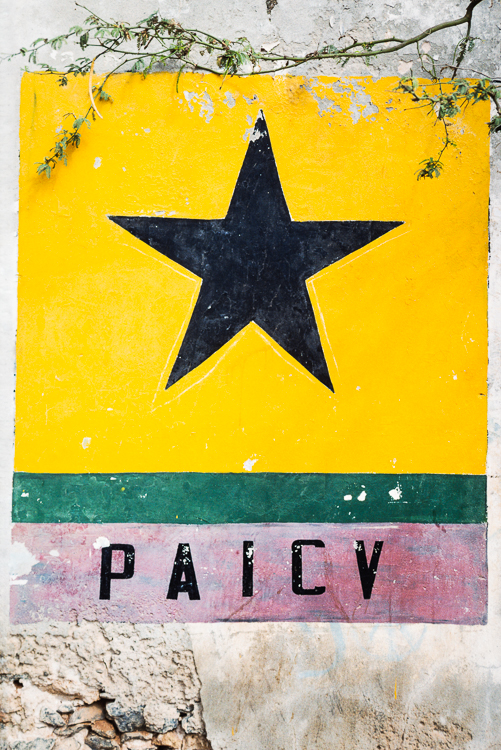
Cabral became a leading figure in the struggle against colonial rule but was assassinated in 1973, just two years before Cape Verde achieved independence.
The independence movement represented the shared struggle and close historical ties between Guinea-Bissau and Cape Verde. These ties eventually broke down following the political upheaval in Guinea-Bissau in 1980.
The Cape Verdean branch subsequently became the PAICV, which governed the country as a socialist-style single party until 1991.
In 1990, a second political party was permitted: the Movimento para a Democracia (MpD), or Movement for Democracy. To widespread surprise, it won the country’s first multiparty elections.

Its presidential candidate, António Mascarenhas Monteiro, subsequently succeeded Aristides Pereira as the second president of the young republic.
During the summer of 1995, a new voter registration period was underway. Posters encouraging citizens to register were displayed everywhere.
Walls, buildings, and rocks across the country were covered with expressions of support for political parties or critical slogans against their opponents, reflecting the opinions of those who had painted them.
Democratization also brought renewed hopes for tourism. The country sought valuable foreign currency and appeared increasingly confident in its ability to manage the potentially harmful effects of international tourism.
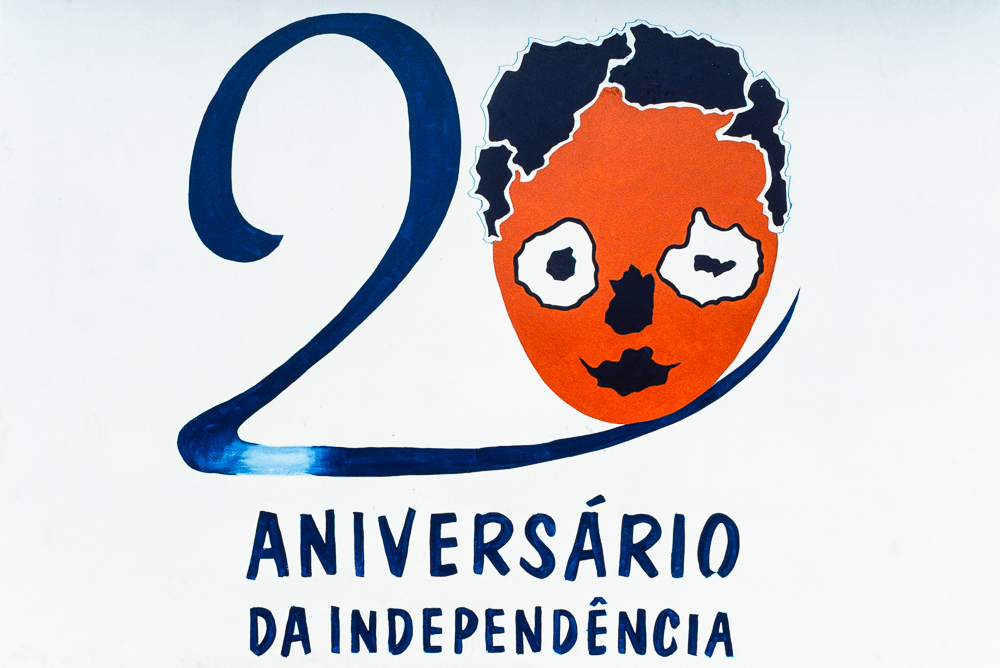
Twenty years of independence, however, represented only a brief chapter compared with more than five centuries of European colonial and maritime influence.
In 1456, reports reached the Portuguese royal court of the discovery of an island off the southern part of West Africa’s Atlantic coast. Prince Henry the Navigator, a major patron of maritime exploration that expanded both the known world and Portugal’s sphere of influence, supported further expeditions.
Before long, the islands appeared in their entirety on European maps.
The seafarers also gave the archipelago its somewhat misleading name, derived from Cape Verde, the “Green Cape” on the West African mainland near present-day Dakar.
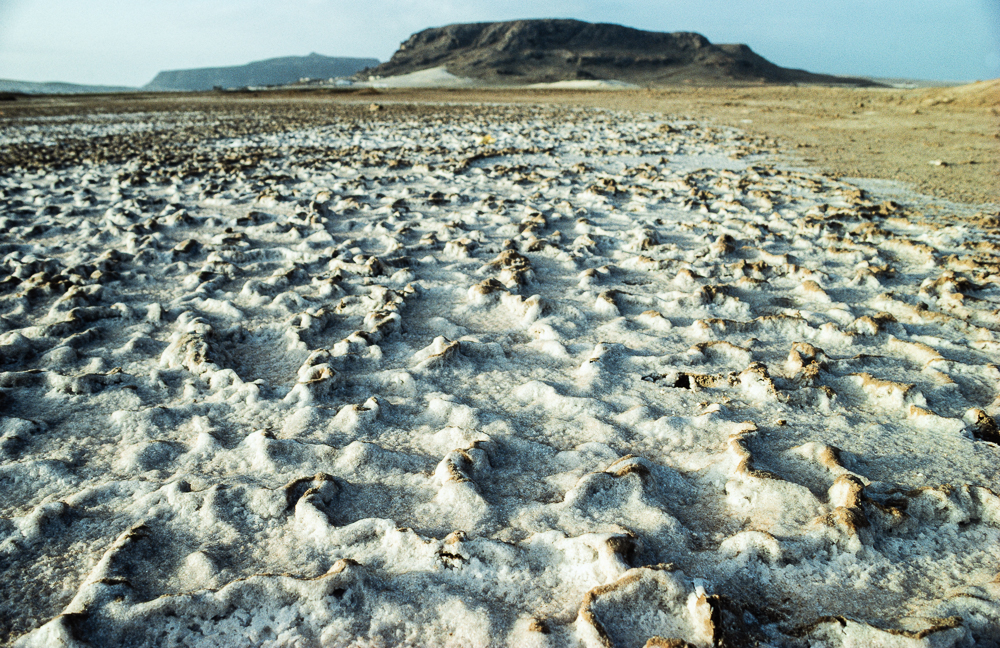
Settlers soon followed the explorers. The islands’ harbors gained importance as stopovers for the growing fleets sailing toward South America, where ships replenished their supplies of salt, water, and food before crossing the Atlantic. Trade expanded, and salt harvested on the islands brought considerable profits to some merchants.
During the same period, Cape Verde acquired a notorious role in the transatlantic slave trade. Enslaved Africans were transported to the islands as part of the triangular trade, forced into the cramped holds of ships, and sent on often deadly voyages to plantations in the Caribbean and Brazil. Following the merchants came royal customs officials seeking revenue, along with another deeply feared group: pirates and privateers.They, too, profited from the trade in human beings, seized the modest wealth of the early towns, and plundered the few possessions of impoverished islanders.Their actions intensified the suffering already caused by recurring droughts, oppression, and exploitation.
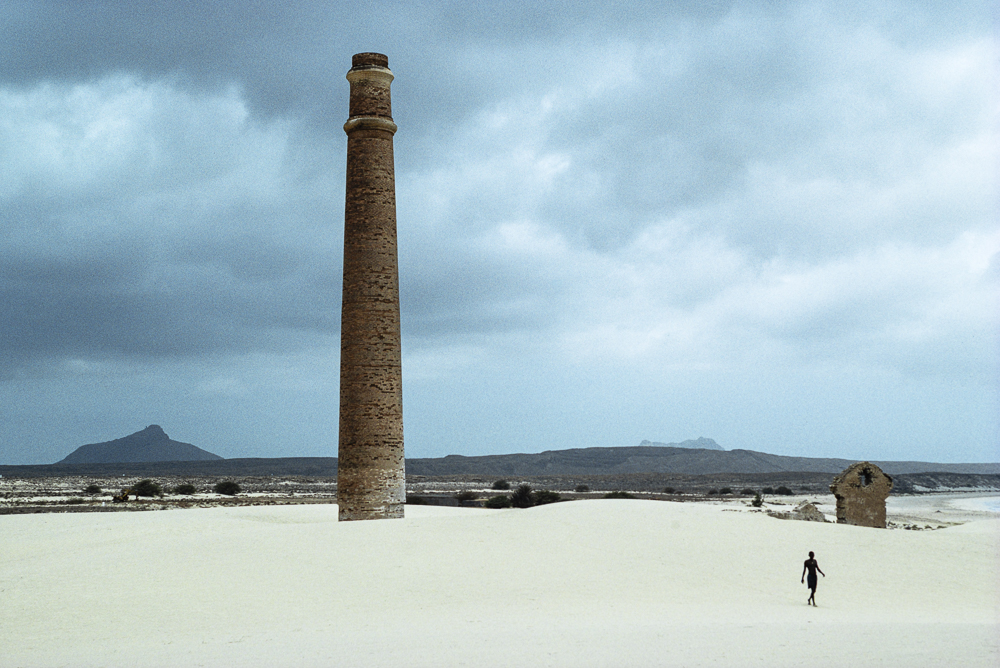
Under successive periods of European dominance, the Cape Verde Islands endured long stretches of hardship, decline, and international neglect. Brief periods of economic prosperity did little to improve the population’s difficult circumstances.
Given the unfavorable climate, limited natural resources, and the gradual loss of the islands’ former strategic importance, it is hardly surprising that Cape Verde remained among the world’s poorest nations for so long.
For this reason, many islanders placed their hopes in the development of sustainable, low-impact tourism – tourism that could create new opportunities while preserving the distinctive character, culture, and traditions of their homeland.
Leave a Reply
Want to join the discussion?Feel free to contribute!