
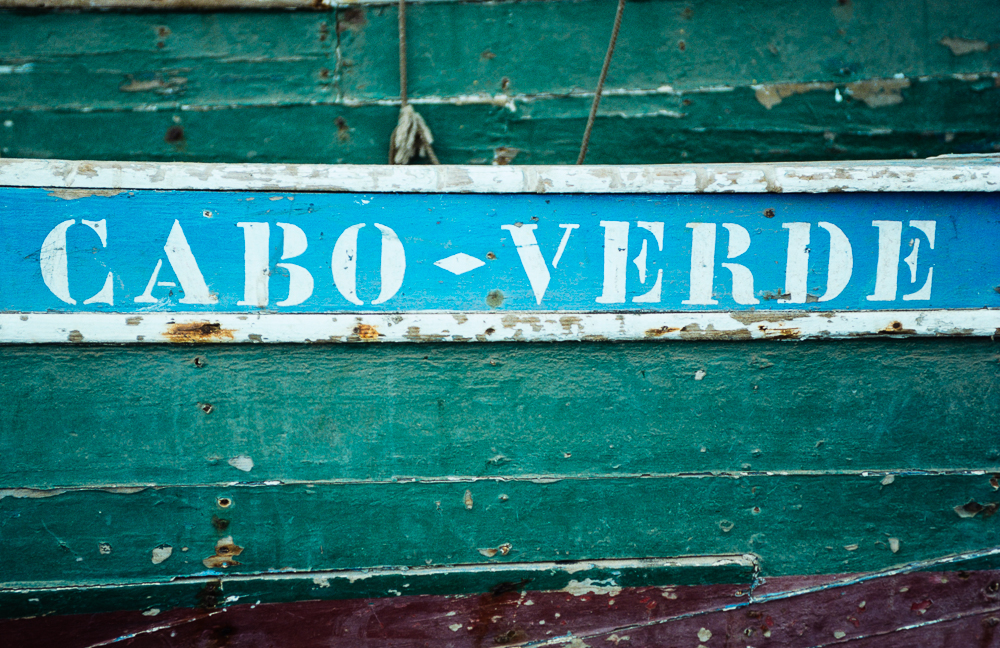
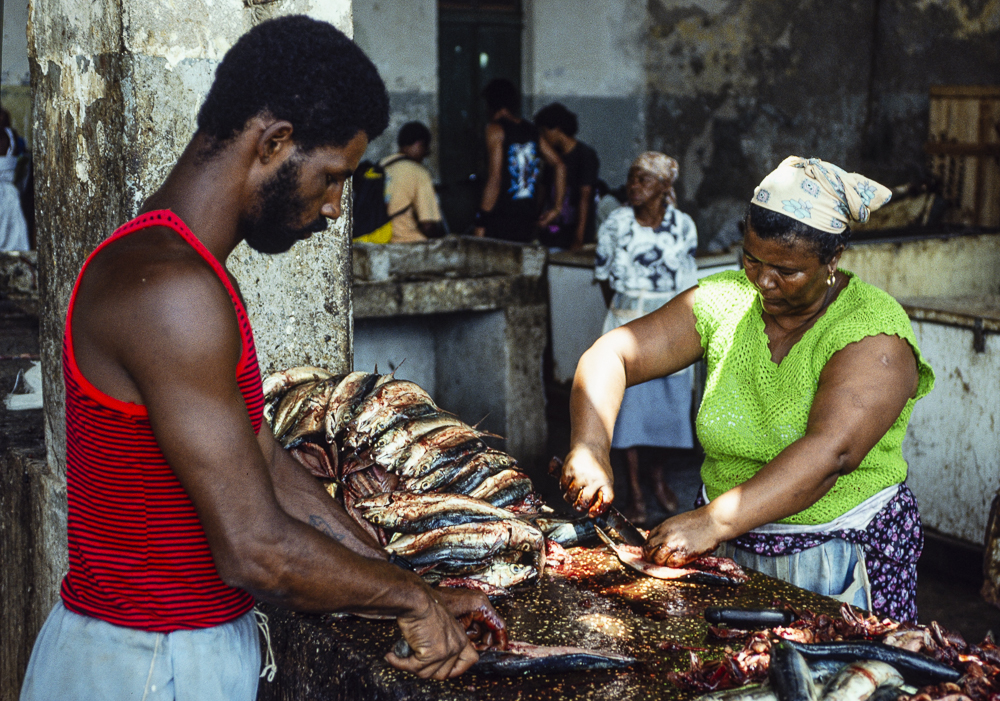
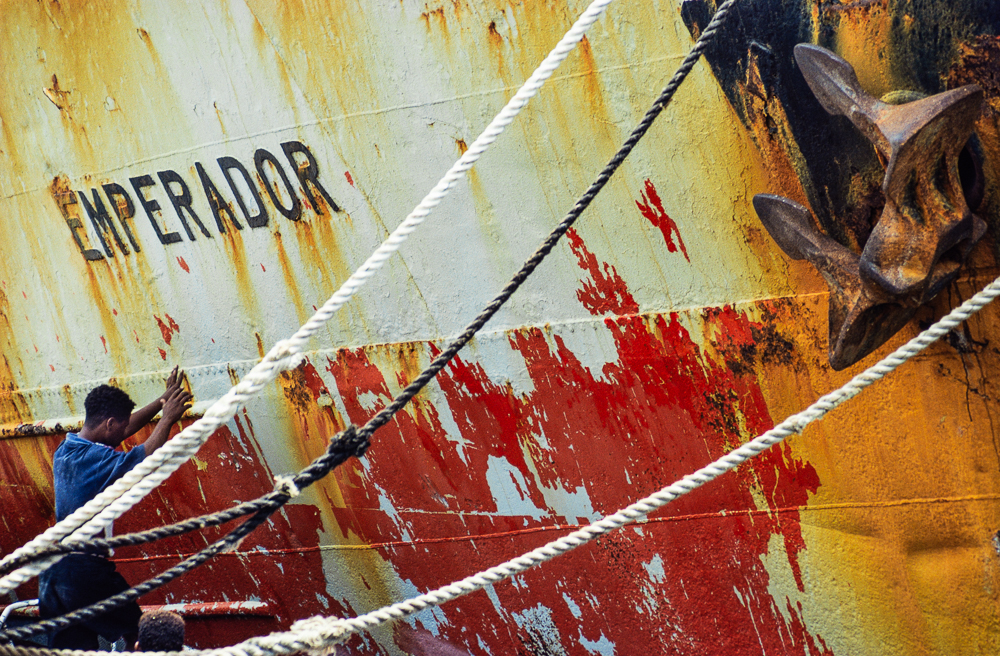
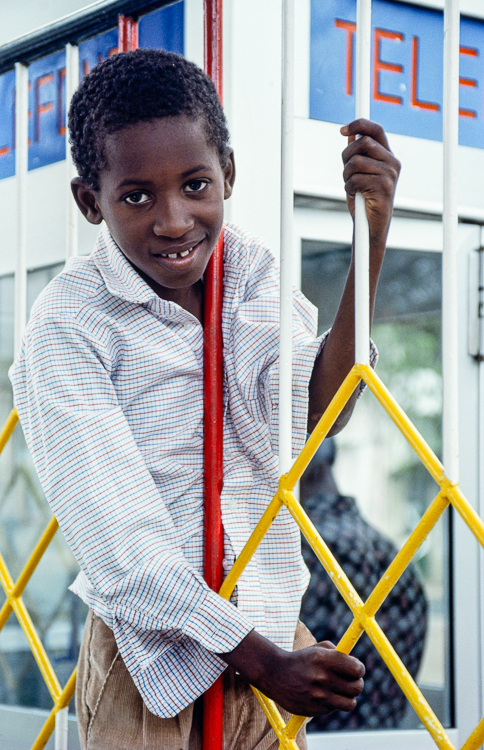
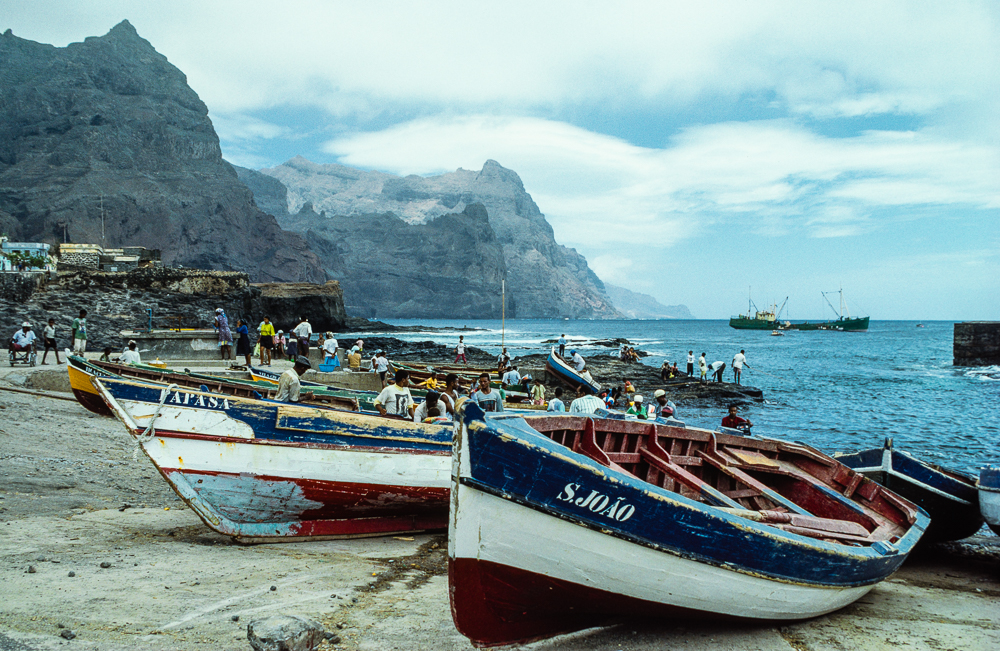

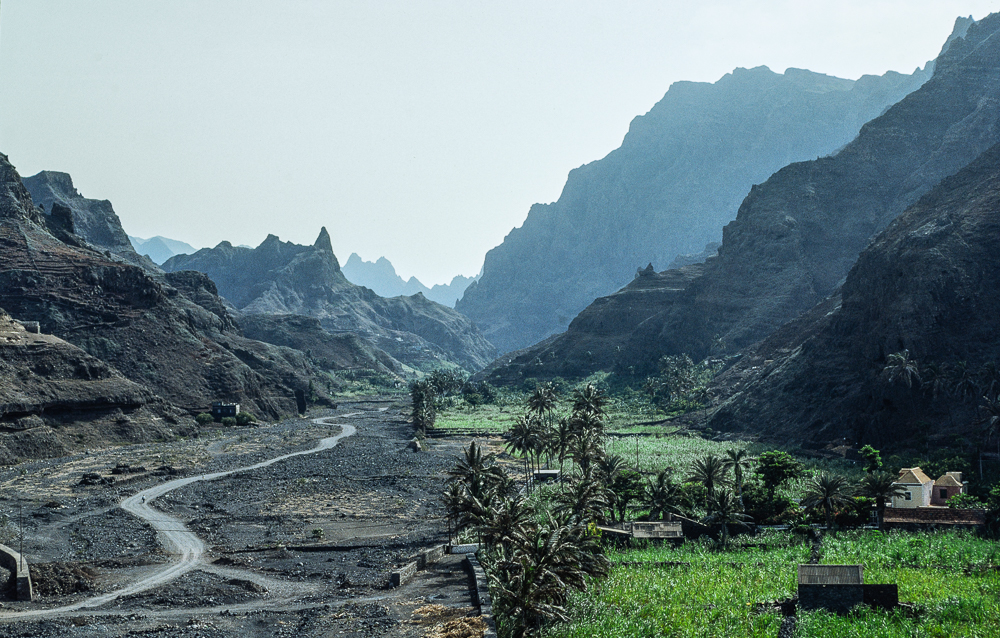
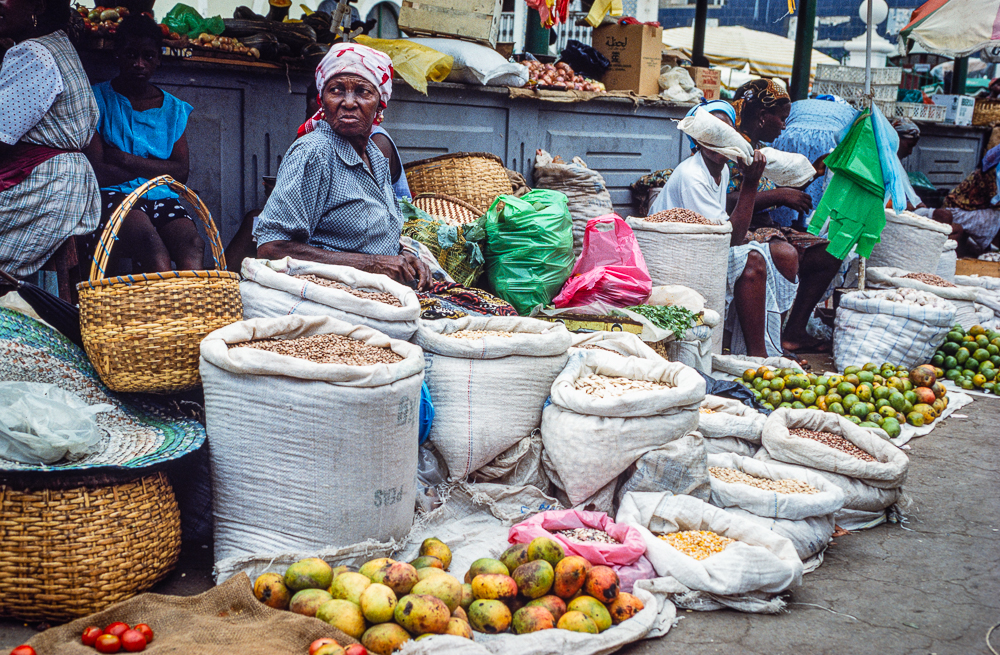
Cape Verde, 1995
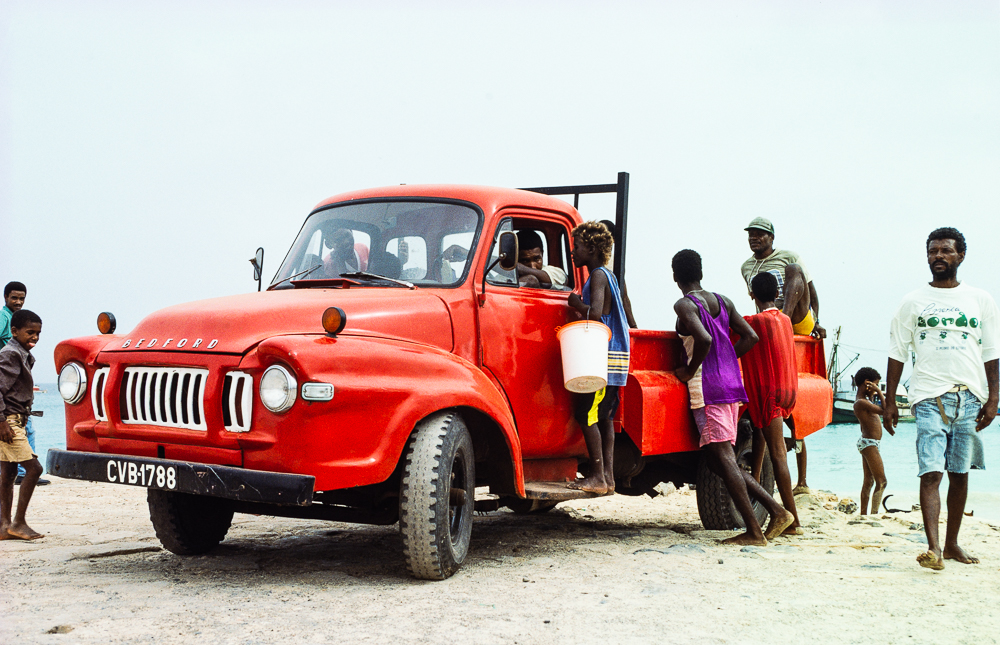
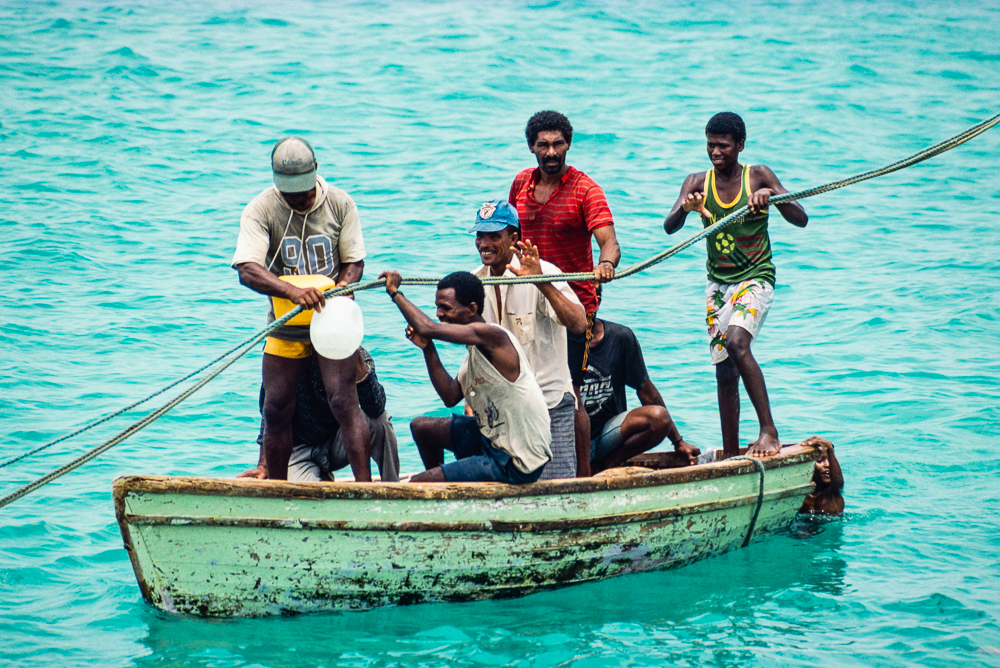
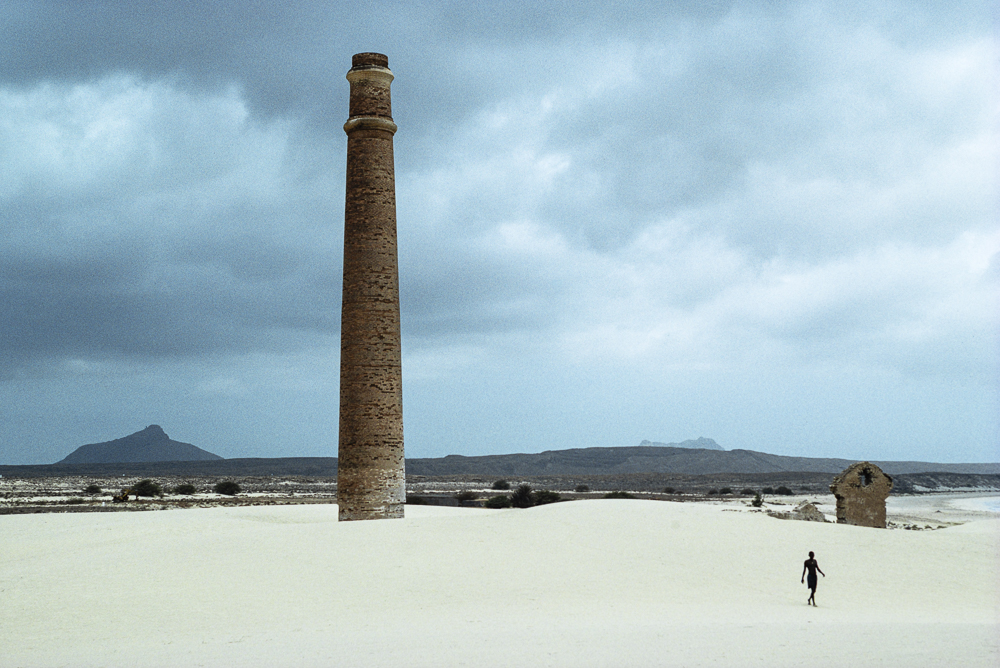
Exploited and forgotten, the Cape Verde archipelago lies in the triangle between the continents of South America, Africa, and Europe. Scorched earth and fertile valleys, deserts, mountains, and volcanoes under the constantly blowing trade winds form a harsh habitat. A young generation inherits the legacy of Portuguese colonial rule, the slave trade, and socialist ideology, forging a new identity of their own. These are just some of the aspects that lend the Cape Verde Islands, with their outstanding location 500 km west of Africa and surrounded by the vast expanse of the Atlantic Ocean, a special appeal. I travelled to the islands in 1995, when there were still few tourist facilities and the legendary Cesaria Evora was still living in Mindelo (I didn’t meet her there, only later at a concert in Karlsruhe). In the following chapters, you can read my travel report from the islands of Sal, Sao Vicente, Santo Antao, Fogo, Santiago, and Boavista.
Part 1 of the travel report: Arrival on Sal
Part 2 of the travel report: Mountains, Music & More – Sao Vicente and Santo Antao
Part 3 of the travel report: The Fiery Giant – on Fogo
Part 4 of the travel report: Boavista – A Place of Tranquillity
Part 5 of the travel report: Living History – Praia
At that time, I was not yet very experienced in photography. This is clearly reflected in the content, e.g., composition and image structure, but especially technically. The pictures were taken with Kodachrome64 slide film. In retrospect, a great film that could reproduce wonderful colours but was less light-sensitive – which tended to lead to longer exposure times and thus blurring or camera shake. Additionally, reversal films had little tolerance for incorrect exposures. With the often high subject contrast, I didn’t expose for the highlights, often resulting in washed-out areas. There are also some shots with an ISO 1600 film, where short exposure times were desired, but you can practically see every single grain of film.
Scanning this film is challenging and often associated with colour casts. Image editing software at the time was primarily Photoshop, with which I spent a lot of time on retouching – this is significantly more efficient today with Lightroom/PS. In a remastering project, I then re-photographed the images with my D600 and a macro lens with a film/slide holder and standard light panel.
Pictures in the gallery
150
Last Comments