
In the Heart of Paros – Lefkes, Marpissa and Prodromos
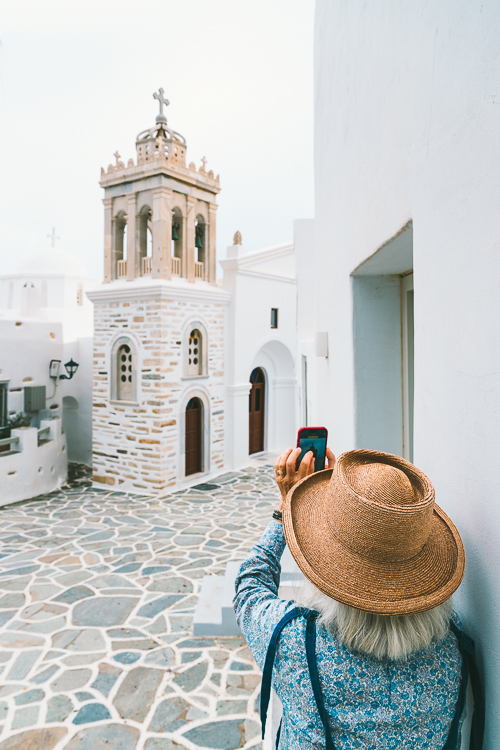
Anyone who only knows Paros from its beaches and coastline misses the island’s more authentic side. Beyond the beach tourism, in the quieter island interior, lie three villages that still feel as if time has passed more slowly: Lefkes, Marpissa and Prodromos. Here, Paros shows its unvarnished side – complete with crumbling walls and rubbish, decay and renewal. It is precisely the tension between old and new, becoming and passing, past and future that gives these places their special charm.
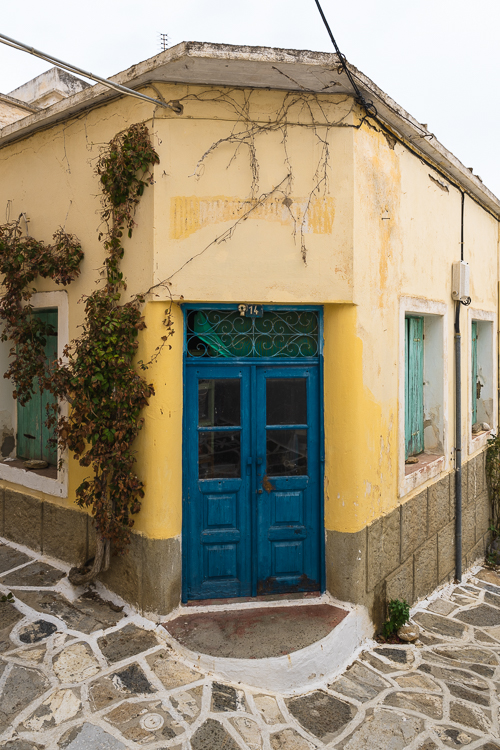
Lefkes lies like an amphitheatre on the slopes of Profitis Ilias. It was once the island’s first capital, and today it is – still – a place of tranquillity. In the narrow, shady alleys, freshly whitewashed houses mingle with those whose plaster has long since peeled off due to wind and sun. This is precisely what makes Lefkes so appealing and why it attracts more and more visitors. During our visit, a grey, overcast sky and light drizzle emphasised the gloomier, more oppressive aspects and tended to drive most visitors into one of the welcoming cafés.
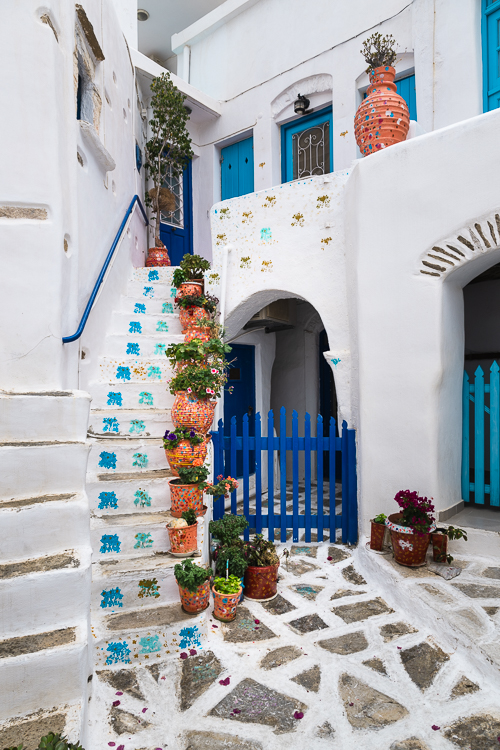
The Agia Triada Church, whose marble façade glows in the evening light, is well worth seeing. From the small village square, under shady trees, you can look over the rooftops all the way down to the sea. If you wish, you can follow the old Byzantine Way from here, a paved mule track that once connected Lefkes with Prodromos – today a fantastic hiking trail. If you walk the Byzantine Way from Lefkes, you will reach its end point in Prodromos.
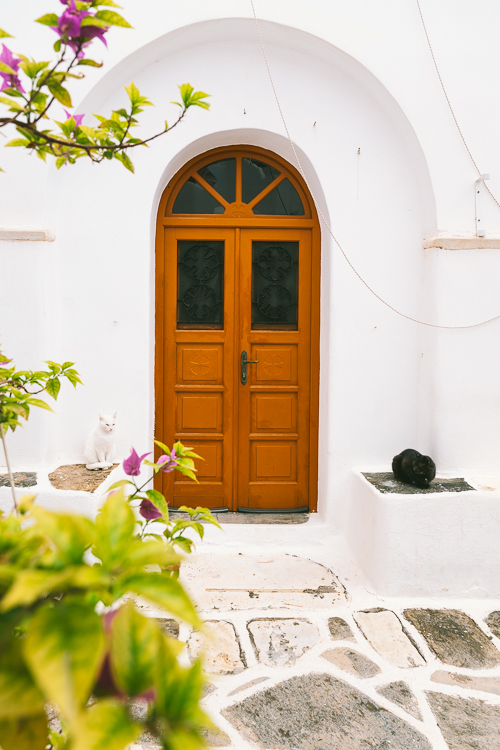
Prodromos is the smallest and perhaps most authentic of the three villages. The church of Agios Ioannis Prodromos gives the village its name; from its terrace, you can look over the rooftops to the mountains. A low archway marks the entrance to the historic village centre – as if stepping into another time. The alleys are narrow, the houses built close together, many with weathered doors whose paint has long since been bleached by the sun. The omnipresent cats lay lazily on the many steps here too, and only the soft chime of a nearby church broke the silence.
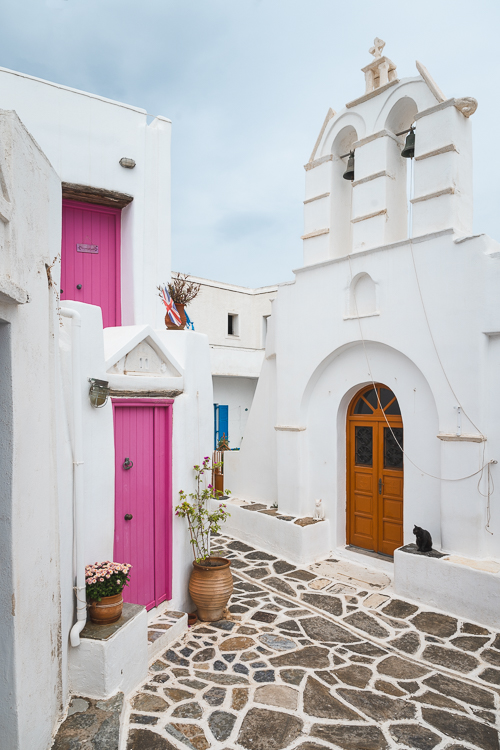
A few kilometres further lies Marpissa, a labyrinth of whitewashed houses, blooming bougainvillea and quiet courtyards. Here there were hardly any shop windows or backdrops, but all the more everyday life. The few sights include old windmills and the Nikos Perantinos Sculpture Museum, dedicated to the famous sculptor from Paros. Above the village rises the Kefalos Hill with the ruins of a Venetian fortress and the Agios Antonios Monastery, from which almost the entire island can be seen.
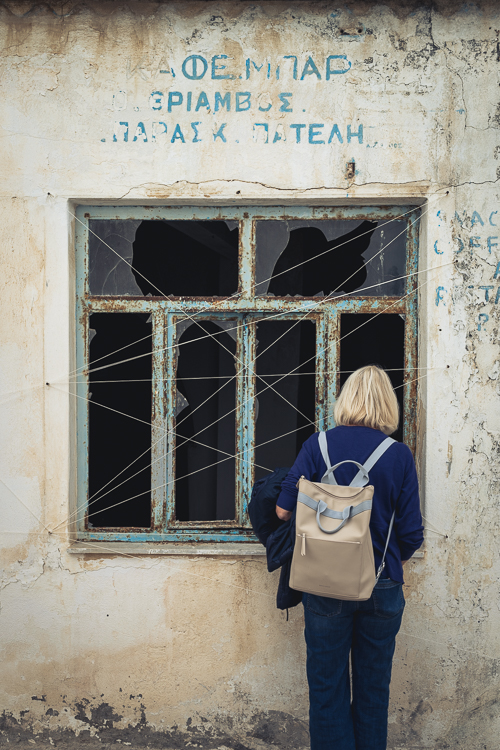
At the end of August, when the three-day Marpissa Festival takes place, the village awakens to cultural life – yet even then, its atmosphere always remains calm and down-to-earth.
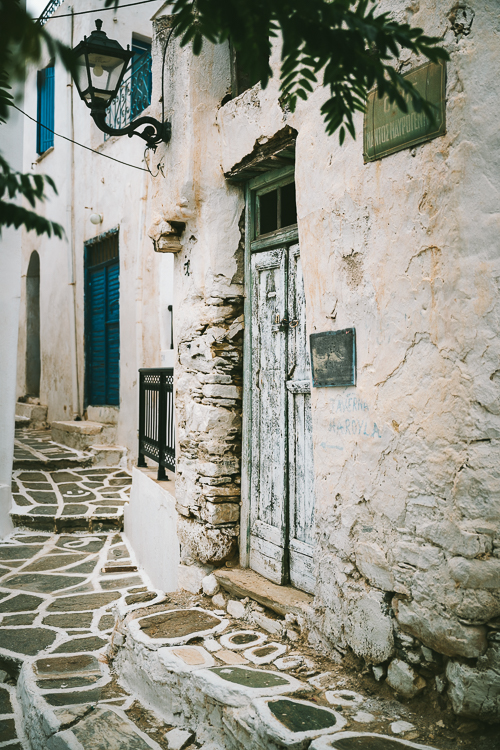
In Lefkes, Marpissa and Prodromos, Paros seemingly remains as it was before boutiques and beach clubs conquered coastal towns like Naoussa. However, even here, Instagram hotspots already exist. The beauty here lies not in perfection, but in the faded, in the authentic. Between the old façades, the quiet squares and the voices of the residents, one senses that Paros is more than just folklore, sun and sea – it is an island with history and origin, innovation and future, soul and quiet dignity.

If you’ve come this far, you should definitely stop by one of the nearby wineries for a wine tasting: at Louridis, a family winery in Marpissa, or at Ktima Roussos, a little further out on the road from Prodromos to Naoussa.


Leave a Reply
Want to join the discussion?Feel free to contribute!