
A German recycling centre
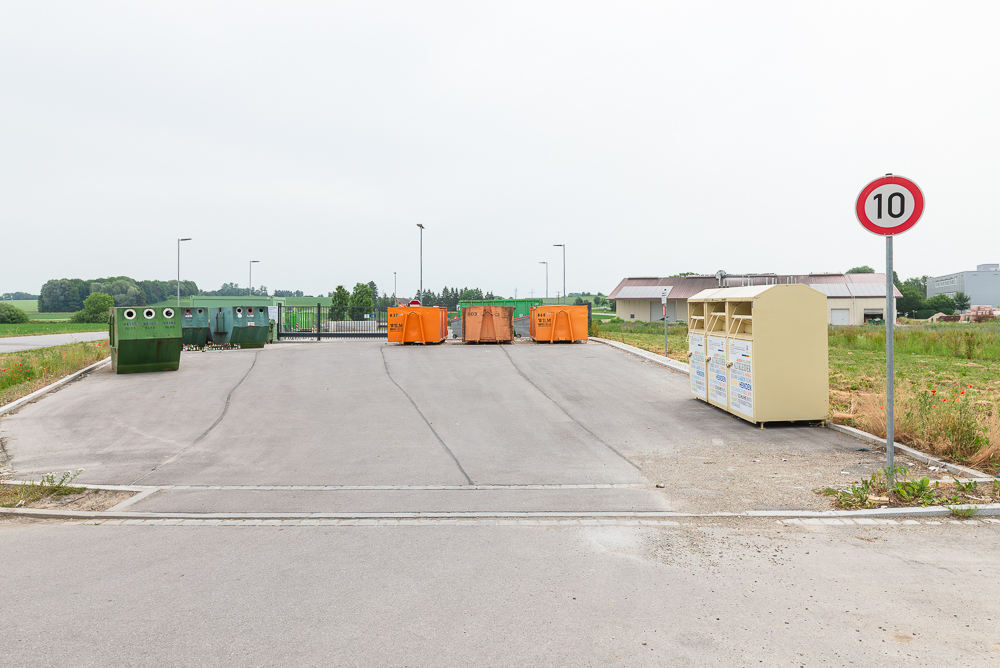
First, a definition: a recycling centre (also known as a recycling yard) is a municipal or private collection point for waste and materials that don’t belong in the normal household bin or are too large for it. There, citizens can drop off various materials to return them to the recycling cycle. From abroad, people often look with wonder at the Germans’ relationship with their rubbish. I asked myself whether there is a German “obsession” with waste separation?
The cliché of German waste obsession has a core of truth that is deeply rooted in the culture. While Germany continues to pollute the environment and climate more than it should, it has also achieved small improvements: Germans are, after all, world champions in recycling. Germany regularly reaches top positions for recycling rates in Europe. The overwhelming majority of Germans consider good waste separation to be an important contribution to climate protection. However, compared to the rest of the EU, Germany produces an above-average amount of rubbish. Critics therefore say that separation only eases the conscience instead of promoting waste avoidance.
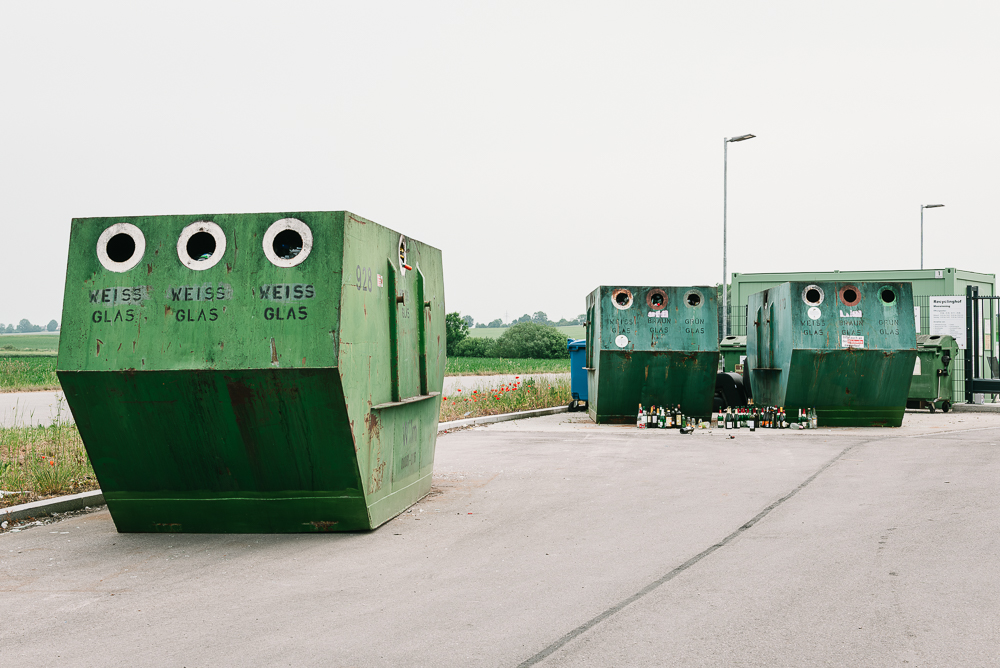
Waste separation in Germany is not a voluntary gesture, but is naturally and properly regulated and legally prescribed by the Circular Economy Act, the Packaging Ordinance and local bylaws. With the introduction of the Packaging Ordinance in 1991 (the “Green Dot”), the separation of waste paper, glass and sales packaging (Yellow Bag/Bin) became a standard part of everyday life for private households. For a politically and ecologically correct approach to waste, it is important to consider, for example, that there are three types of packaging: transport packaging, outer packaging and sales packaging.
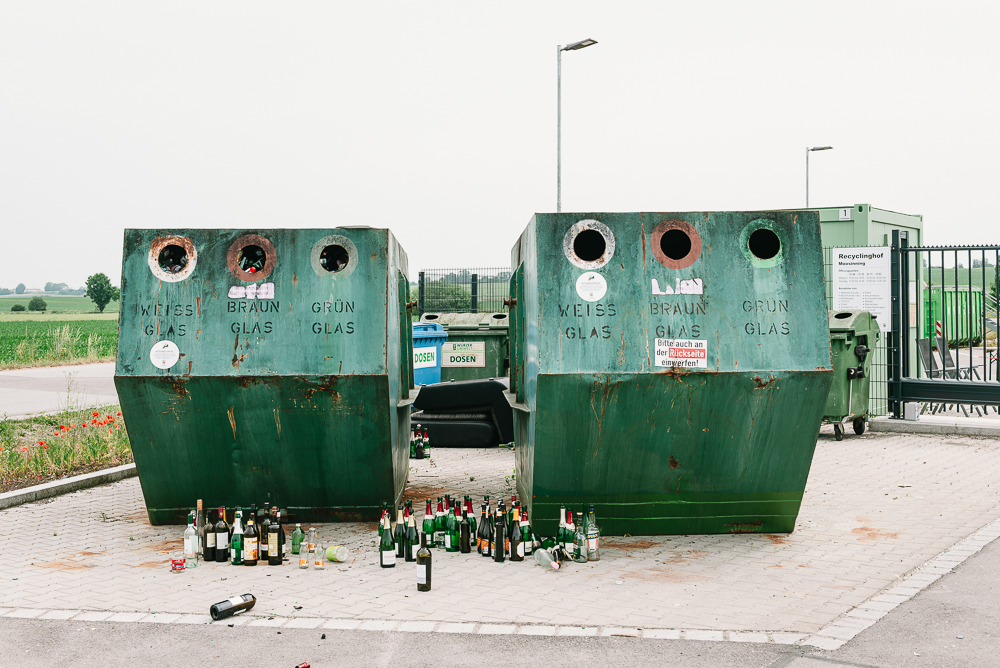
There is also a certain amount of social control. In German society, waste separation is often seen as a sign of order and environmental awareness. Anyone who separates their rubbish incorrectly risks not only fines but often the displeasure of their fellow citizens. Glass is collected sorted by colour, and containers are provided for metal, paper, construction waste and electronic waste. Often, there are also areas for leaves, branches and garden waste. At the recycling centre itself, friendly municipal employees ensure that items are dropped off correctly. On Saturdays, there can sometimes be queues before people then drive on to the car wash.
What looks like an obsession to outsiders is, for most Germans, more of a mixture of learned discipline, environmental conviction and legal necessity.

Leave a Reply
Want to join the discussion?Feel free to contribute!